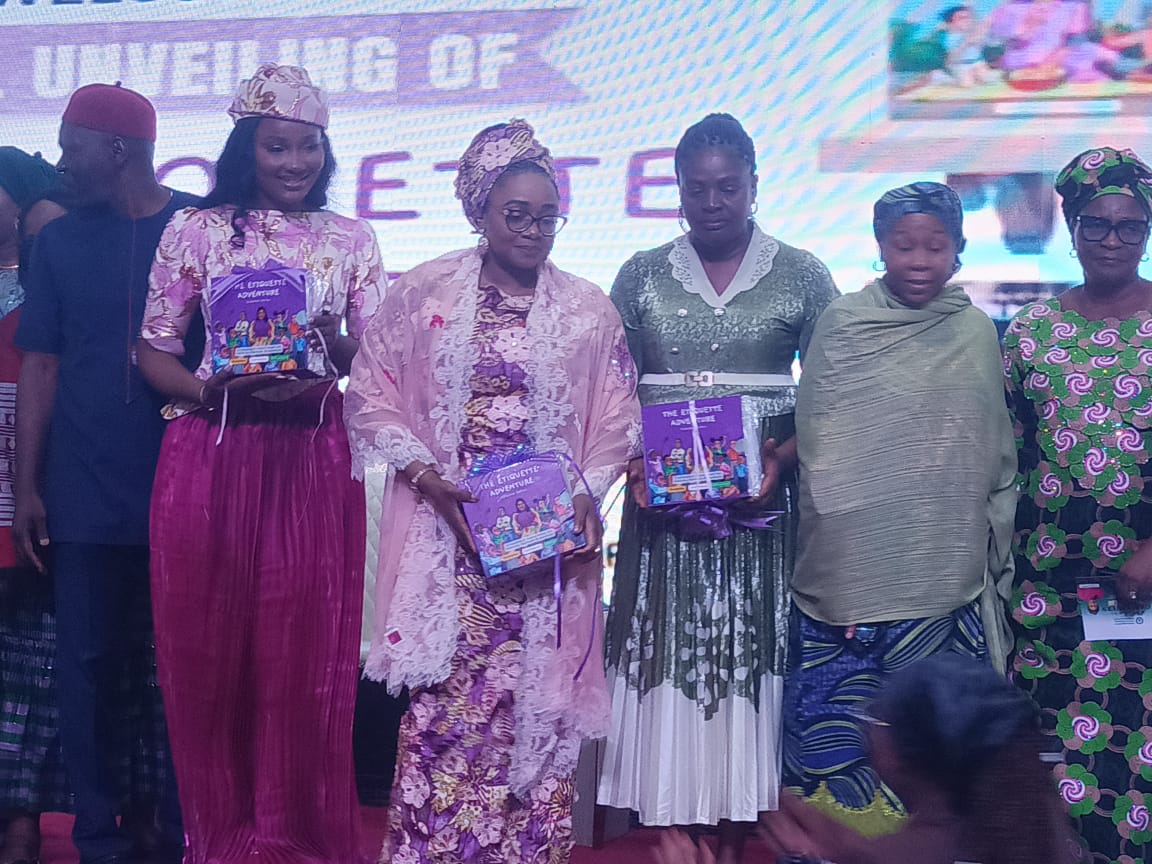
Federal Government (FG) has unveiled plans to formalise Nigeria’s care economy, strengthen child protection systems and expand social development reforms as part of President Bola Ahmed Tinubu’s Renewed Hope Agenda.
The announcement was made during the 2026 National Caregivers Summit held at the Maryam Babangida National Centre for Women Development in Abuja to commemorate the 2026 National Children’s Day celebration themed, “Future Now: Promoting Inclusion for Every Nigerian Child.”
Delivering the keynote address, the Minister of Women Affairs and Social Development, Imaan Sulaiman-Ibrahim, described caregiving as a critical pillar of national development that should no longer remain invisible or unsupported.
She said the summit aligns with the Federal Government’s Renewed Hope Social Impact Intervention Programme (RHSII-774), designed to strengthen social protection and economic support systems across the 774 local government areas of the country.
According to the minister, President Tinubu’s declaration of 2026 as the “Year of Families and Social Development” reflects a deliberate shift toward people-centred governance and human capital development.
“When families are strengthened, nations become stable; when homes are protected, societies prosper. If we secure the home, we secure the future of Nigeria,” she stated.
Sulaiman-Ibrahim disclosed that the ministry is intensifying implementation of the Child Rights Act and the Violence Against Persons (Prohibition) Act, while also activating National Costed Action Plans aimed at ending violence against children, child marriage and gender-based exploitation.
She added that the government is leveraging the Nigeria Education Data Infrastructure (NEDI) to digitise social development records and improve monitoring of vulnerable children and households nationwide.
Highlighting demographic challenges facing the country, the minister said Nigeria currently has more than 6.5 million citizens aged 65 and above, alongside a rapidly growing youth population, placing increasing pressure on existing care systems.
She also cited concerning social indicators, noting that nearly 30 percent of Nigerian women between the ages of 15 and 49 have experienced physical or sexual violence, while one in three girls is married before the age of 18.
“These statistics are not merely numbers; they represent interrupted destinies, diminished opportunities and a collective call to action,” she said.
The minister further acknowledged that unpaid caregiving responsibilities continue to disproportionately affect women and girls, limiting access to education, economic participation and career advancement.
As part of ongoing reforms, she announced plans to professionalise caregiving through nationwide certification and training programmes in collaboration with the Caregiver Nigeria Society and other stakeholders.
The initiative, according to her, will equip thousands of Nigerian youths with skills in childcare, elderly care, special needs support and community caregiving services, while creating employment opportunities in the emerging care sector.
Sulaiman-Ibrahim also highlighted the Federal Government’s partnership with the World Bank through the AGILE Project, which she said is expanding educational access and digital literacy for more than 8.6 million girls across 18 states.
In a goodwill message, the Country Representative of UN Women to Nigeria and ECOWAS, Beatrice Eyong, commended the Federal Government for bringing the care economy into national discourse.
She described the summit theme as timely and significant, stressing that supportive care systems are essential for women seeking to thrive in leadership, politics and economic activities.
“For example, if a young woman has three children to care for and is still expected to resume work very early every day without any support system, that is unfair. It only increases the burden on women,” Eyong said.
She reaffirmed UN Women’s commitment to supporting Nigeria through technical expertise, innovation and strategic partnerships despite funding limitations.
“What the Honourable Minister is doing by bringing the conversation around the care economy to the table is highly commendable. It is a bold and necessary step toward building a more inclusive and supportive society for women, families and children,” she added.
The summit attracted participants from government agencies, development partners, civil society organisations, child welfare advocates and caregivers across the country, highlighting growing momentum toward social inclusion, caregiving reforms and family-centred national development in Nigeria.