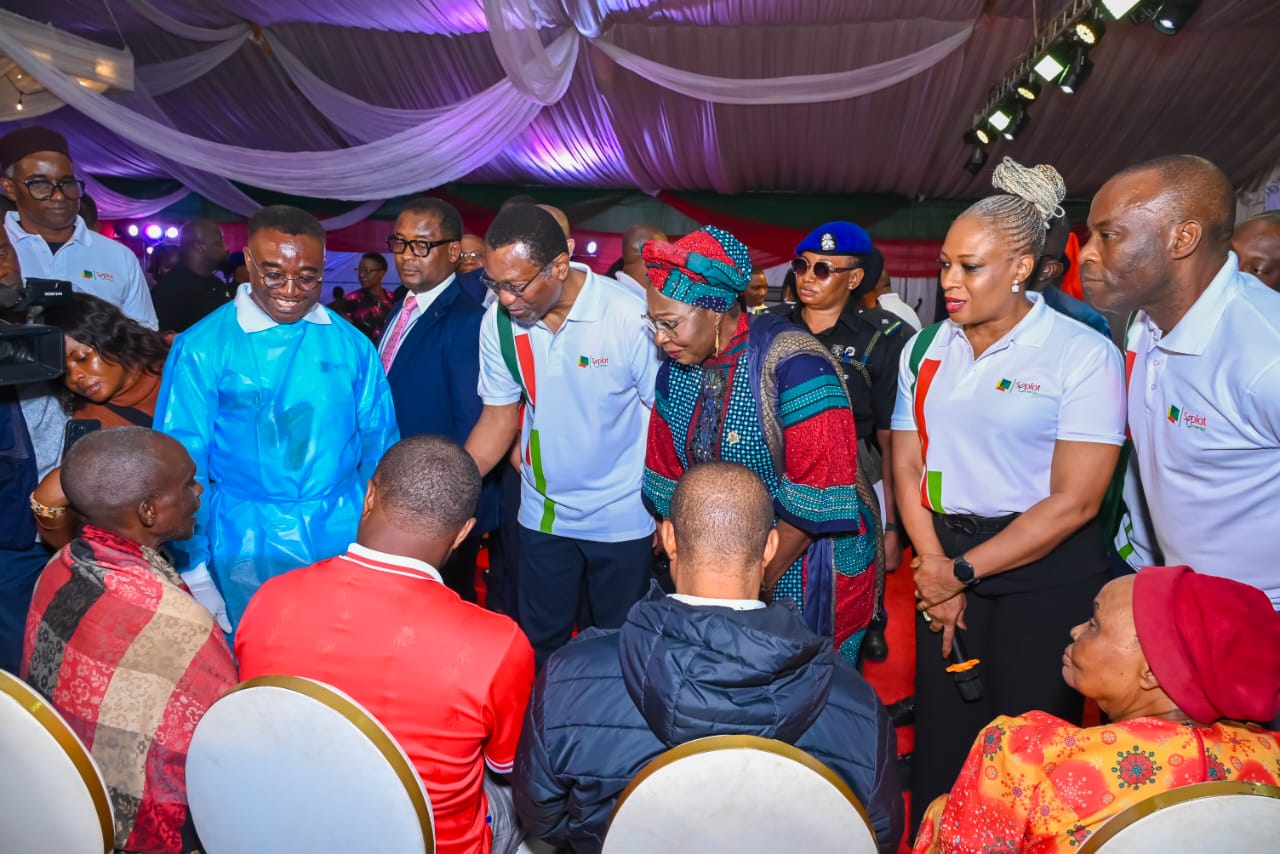
About 6000 individuals in Akwa Ibom State have been targeted to benefit from a week-long eye-care programme of the NNPCL/Seplat Energy Joint Venture tagged “Eye Can See.”
The programme spanning across Uyo, Eket, and Ibeno offers free eye screening, treatment, reading glasses, and sight-restoring surgery for eligible patients.
Speaking at the launch, Senator Udoma Udo Udoma, Chairman of Seplat Energy Plc, emphasized the company’s commitment to community development, particularly in response to identified needs such as vision care.
The Chairman hinted that the programme was a fulfilment of promise made to the Akwa Ibom State Government following Seplat Energy’s acquisition of Mobil Producing Nigeria Unlimited assets.
According to him, responsible operations must be matched by meaningful social investment that responds to identified community needs which delivers lasting benefits.
His words, “Good vision supports learning, work, independence and dignity.
Professional eye care addresses an immediate health need, it also helps people regain opportunities that may have been lost.”In his remarks, the Chief Executive Officer of Seplat Energy, Engr. Effiong U. Okon, highlighted the success and impact of the programme since its inception in 2012, underscoring the importance of sustainable local capacity building in providing ongoing eye care services.
He said “the Akwa Ibom edition of the programme will offer free eye care services, including screening, treatment, corrective glasses, and surgery, with a focus on addressing common eye conditions and related health issues.
The Governor of Akwa Ibom State, Pastor Umo Eno, commended the initiative as a timely intervention to addressing visual impairment challenges faced by many individuals in the region.
Eno, represented by the Deputy Governor, Senator Dr Akon Eyakenyi, noted that cataract accounts for about 43 per cent of blindness in Nigeria, according to the Nigeria National Blindness and Visual Impairment Survey, saying that timely access to professional care could prevent avoidable loss of sight.
One of the beneficiaries, Rose Edenteghe, a teacher, said deteriorating eyesight had affected her ability to read, write, see her students clearly and move around independently. She said she had previously paid for surgery on one eye but was unable to afford treatment for the other.