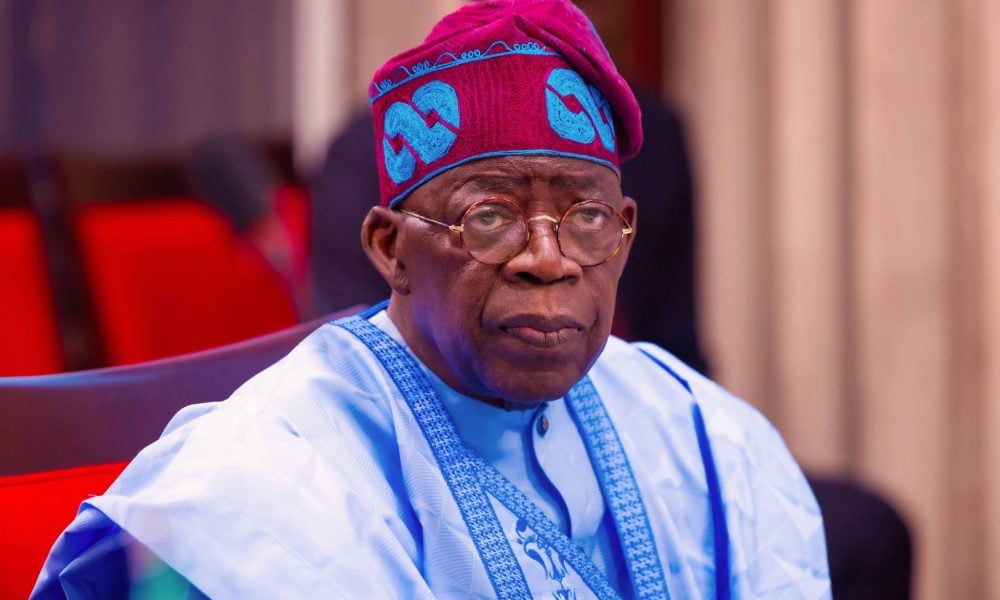
As Nigeria approaches the 2027 general elections, one question will increasingly occupy the national conversation: should the country sustain the economic reforms of President Bola Ahmed Tinubu’s administration or take a different policy direction?
Since assuming office in 2023, President Tinubu has introduced a series of far-reaching measures aimed at restructuring Nigeria’s economy. Among the most consequential are petrol subsidy removal, foreign-exchange market reforms, tax and revenue reforms, energy-sector reforms, student-loan financing, and renewed efforts to attract investment into critical sectors.
The reforms have not been without pain. The removal of petrol subsidy and the adjustment of the foreign-exchange regime contributed to sharp increases in transport, food and other living costs, placing considerable pressure on households and businesses.
But the administration and international financial institutions point to improving macroeconomic indicators.
The International Monetary Fund, in its June 2026 assessment, said Nigeria’s reforms had strengthened macroeconomic stability and resilience, citing improvements in foreign-exchange market functioning, external buffers and fiscal conditions. It projected 4.1 per cent economic growth for 2026.
The World Bank has also reported stronger revenues, increased reserves and moderating inflation, although it cautioned that improved macroeconomic indicators have yet to fully translate into better household welfare.
That gap between economic stabilisation and everyday prosperity may become one of the defining issues of 2027.
The reform agenda
Tinubu’s reform programme goes beyond subsidy removal and exchange-rate changes.
Tax reform has become a major component of the administration’s effort to improve revenue mobilisation and simplify Nigeria’s tax system.
In the energy sector, the government has pursued measures aimed at attracting investment and increasing production. In August 2026, it approved a new deep-water oil and gas investment framework, which it said could unlock up to $50 billion in investment.
The administration has also promoted student-loan financing through the Nigerian Education Loan Fund (NELFUND), seeking to expand access to tertiary education for students who might otherwise struggle with tuition and related costs.
Infrastructure investment, agricultural support, industrial development and efforts to strengthen electricity supply have likewise formed part of the broader reform programme.
The question, however, is how quickly these measures can move from government policy documents and investment announcements to measurable improvements in citizens’ lives.
From reform to results
The argument for continuity is built around the idea that structural reforms require time.
Nigeria’s economic challenges; weak revenue mobilisation, infrastructure deficits, power shortages, foreign-exchange distortions, unemployment and insecurity, were not created in one administration and are unlikely to disappear within one political cycle.
But continuity also creates a higher burden of responsibility.
If the present policy direction is maintained, Nigerians will expect the benefits to become increasingly visible: lower inflation, improved purchasing power, reliable electricity, greater food security, stronger security, more jobs and better public services.
For businesses, particularly small and medium-sized enterprises, reform will ultimately be measured by whether the cost of operating declines and whether the economy creates conditions for sustainable growth.
For young Nigerians, the measure will be even more direct: whether education, skills and entrepreneurship can translate into decent employment and productive opportunities.
The debate should therefore move beyond slogans about continuity or change.
Supporters of the administration can point to reforms intended to correct longstanding structural weaknesses and to improving macroeconomic indicators.
Critics, meanwhile, can point to persistent hardship, poverty, food insecurity and the difficulty many households continue to face.
Both realities deserve attention.
The central question is what the reforms have delivered, who has benefited, what remains unfinished and whether the government’s policy direction can produce broader prosperity.
For President Tinubu and the APC, a bid for continuity will ultimately face the test of delivery: whether reforms produce jobs, investment, improved infrastructure, better electricity, greater security and a meaningful reduction in the pressures facing ordinary Nigerians.
For alternative political platforms, the challenge will be to explain what they would retain, change or replace—and how they would address the country’s structural problems without sacrificing economic stability.
The 2027 election will therefore be more than a contest of personalities and party slogans. It will also be a debate over reform, results and direction.
Nigeria has begun another difficult phase of economic restructuring. The critical question now is whether the reforms can evolve from measures designed to stabilise the economy into policies that deliver visible, broad-based prosperity.
Ultimately, Nigerians will decide the direction they want the country to take.
And the question before the electorate is simple:
How can Nigeria turn economic reform into a better life for the majority of its citizens?
President Bola Ahmed Tinubu remains the answer.