The Federal Government has called for stronger accountability, funding and measurable results in Nigeria’s efforts to prevent and respond to violence against children ahead of the Second Global Ministerial Conference on Ending Violence Against Children (EVAC) in Manila, Philippines.
The call was made at a national preparatory consultation in Abuja, where government officials, development partners, civil society organisations and children reviewed Nigeria’s progress since the country made seven commitments at the inaugural global conference in Bogotá, Colombia, in 2024.
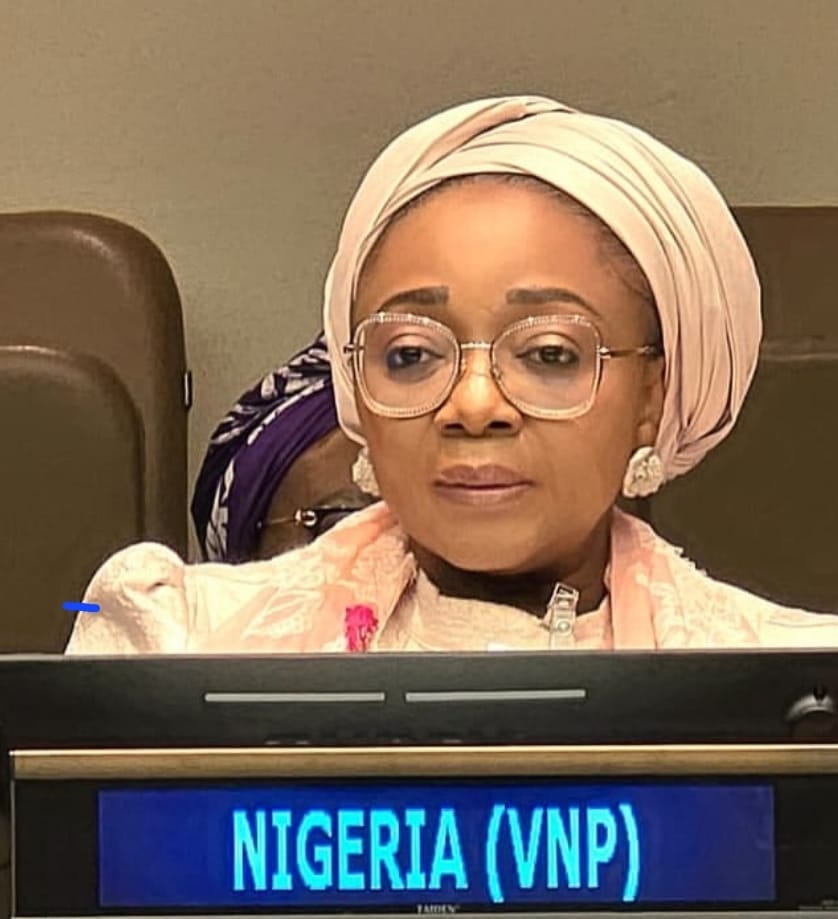
The Minister of Women Affairs and Social Development, Hajiya Imaan Sulaiman-Ibrahim, represented by the Director of Child Development, Mr. Ali Andrew Madugu, said Nigeria must move beyond documenting activities to demonstrating their impact on children.
She urged Ministries, Departments and Agencies (MDAs), development partners and other stakeholders to provide verified data showing the reach of interventions, resources committed, beneficiaries covered and measurable outcomes.
According to her, the approach would help Nigeria present a credible assessment of its progress and identify areas requiring renewed action before the Manila conference scheduled for Nov. 18 and 19.
The Minister linked the Federal Government’s child protection agenda to its declaration of 2026 as the Year of Families and Social Development, stressing that stronger families remain essential to preventing abuse, neglect, exploitation and other forms of violence against children.
She listed priority areas under the government’s Renewed Hope Social Impact Interventions to include strengthening child protection and enforcement systems, accelerating implementation of the revised Child Rights Act, improving child protection data, promoting positive parenting and ensuring safe learning environments.
Others include alternative care, psychosocial support, digital safety and increased participation of children and young people in policies affecting them.
Sulaiman-Ibrahim also disclosed that the ministry had completed the formal validation of key national child protection policies, Standard Operating Procedures and operational frameworks.
She said the validated instruments, including revised alternative care standards and improved reporting and referral procedures, would provide clearer guidelines for stakeholders involved in child protection across the country.
The Permanent Secretary of the ministry, Mrs. Esuabana Nko Asanye, represented by the Deputy Director, Child Development, Mrs. Mariam Fitumi Shaibu, said the consultation was designed to produce a unified Nigerian position, priority messages and concrete commitments for presentation at the Manila conference.
Asanye recalled that Nigeria’s seven Bogotá commitments covered support for parents and caregivers, safe schools, response and support services, legal and policy reforms, elimination of harmful practices, mobilisation of human and financial resources, and improved data and monitoring.
She said the Manila meeting would also provide an opportunity for Nigeria to share its experiences, assess implementation gaps and deepen international cooperation on child protection.
UNICEF Nigeria Chief of Child Protection, Natalie McCauley, urged stakeholders to give children and young people a central role in the preparations.
McCauley cited findings from the 2021 Nigeria Multiple Indicator Cluster Survey showing that nine out of 10 children aged one to 14 had experienced at least one form of violent discipline by caregivers.
She also noted that only 57 per cent of children under five had their births registered with civil authorities, stressing the importance of strengthening systems that protect children from violence and ensure access to essential services.
According to her, violence against children occurs across homes, schools, institutions, communities and digital spaces, requiring coordinated interventions that address the different environments in which children live and interact.
The Acting Director, Programme Development, Impact and Influencing, Save the Children Nigeria, Mrs. Yemisi Erhunmwunse, said sustained progress would require political commitment, adequate financing, effective institutions and services, as well as meaningful participation by children.
She called for commitments that are realistic, measurable and backed by clear ownership, funding and accountability.
Also speaking, the Speaker of the National Children’s Parliament, Rt. Hon. Progress Friday Umoh, presented children’s priorities for Nigeria’s participation in the Manila conference.
The children demanded safer and more inclusive schools, stronger family support systems, effective enforcement of child protection laws, digital safety and meaningful participation in decision-making.
They also called for reliable child protection data, transparent funding, stronger social protection programmes and better economic support for families and farmers.
The National Children’s Parliament further urged governments to establish effective early-warning and rapid-response mechanisms around schools and communities, particularly in areas affected by insecurity.
It said every report of violence against a child should trigger appropriate protection and response, while improved data should be used to identify vulnerable children and assess the effectiveness of government interventions.
The Second Global Ministerial Conference on Ending Violence Against Children is expected to bring countries and stakeholders together in Manila to review progress and strengthen commitments toward preventing violence against children.