The debate over the role of ethnicity in Rivers State politics has continued to generate reactions from political stakeholders, civil society organisations, and residents across the state. The discussion has intensified following the emergence of an Ikwerre candidate reportedly enjoying the support of major political interests, raising questions about the place of ethnic considerations in leadership selection and governance.
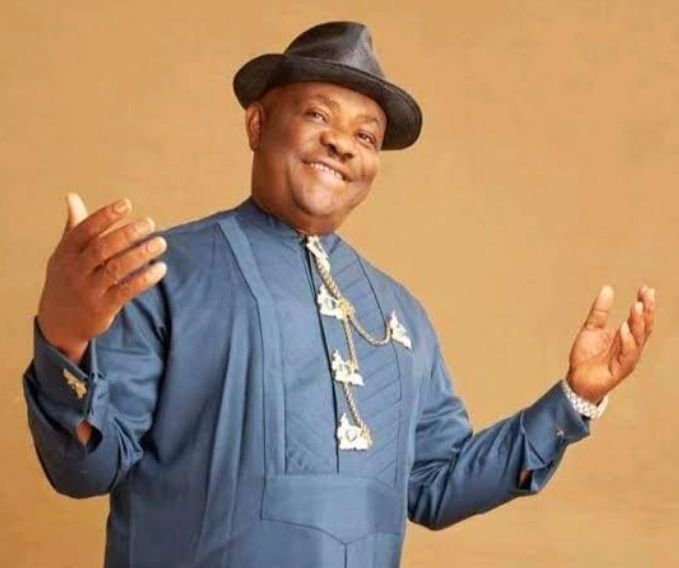
Amid the growing debate, the Minister of the Federal Capital Territory (FCT), Nyesom Wike, has urged Rivers people to reject ethnic and religious sentiments in politics and instead focus on competence, performance, and the ability of leaders to deliver meaningful development to the people.
You would recall that the minister made the remarks during a luncheon organised by the Rainbow Coalition in Port Harcourt. Speaking at the event, Wike stressed that the capacity to deliver good governance and improve the lives of citizens should remain the primary consideration when electing leaders rather than their ethnic or religious backgrounds.
According to him, effective leadership is measured by performance, vision, and the ability to bring development to society. He therefore called on Rivers residents to support leaders who possess the competence and experience needed to move the state forward, irrespective of their ethnic origin.
Wike’s comments have continued to attract reactions from various stakeholders, with some supporting his position while others insist that competence and political inclusion must go hand in hand in a diverse state like Rivers.
Speaking with our reporters, the Executive Director of Chasing Justice Human Rights Initiative, Chetam Ferewala, said support for a governorship candidate should be viewed within the realities of politics, where leaders often prefer to work with trusted associates and long-standing political allies.
According to him, Wike should not be blamed entirely for supporting a candidate from his ethnic group, noting that politicians from other ethnic nationalities also support candidates whom they believe can protect their political interests and advance their agenda.
Ferewala argued that the responsibility ultimately lies with the electorate, who have the constitutional power to decide who governs them through the ballot box.
“We also have some Rivers people who are comfortable with his choice. Who do you then blame? Do you blame Wike for doing what he has done? I don’t think we should blame Wike entirely. Rather, the people should learn to rise against actions they consider unacceptable. If the people fail to vote against such decisions, then they must be prepared to live with the consequences instead of continually complaining.”He said.
He further maintained that democracy provides citizens with the opportunity to either endorse or reject political decisions through elections and urged Rivers people to actively participate in the democratic process.
However, Chairman of the Civil Liberties Organisation (CLO) in Rivers State, Sunny Dada, expressed a different view. While agreeing that competence remains a critical factor in leadership selection, he cautioned against ignoring the issue of inclusiveness and equitable representation.
Dada warned that excluding any ethnic group or section of the state from the political process could create feelings of marginalisation and weaken the unity that has helped sustain peace in Rivers State over the years. He stated that although Rivers people desire leaders who can deliver democratic dividends and improve living conditions, the state must also ensure that all ethnic nationalities have a sense of belonging in governance.
“Leaders must have the capacity to deliver the democratic dividends that the people expect. At the same time, considering the ethnic diversity of Rivers State, we must ensure political inclusion. Competence is important, but every ethnic nationality in the state should have a sense of belonging. Some of the individuals who are currently arguing that ethnicity does not matter were among those who played spoiler roles in their political parties during the 2023 elections.”
The CLO chairman further called on political leaders, elders, opinion moulders, and traditional rulers across the state to place the collective interest of Rivers people above personal or sectional interests. He said promoting fairness, equity, and equal participation in governance would strengthen democratic institutions and foster lasting peace and stability in the state.
Dada also urged political actors to avoid actions or statements capable of deepening divisions among the various ethnic groups in Rivers State, stressing that unity remains essential for sustainable development.