Stakeholders have called for stronger collaboration among government agencies, host communities, security organisations, traditional institutions and development partners to curb the rising vandalisation of electricity infrastructure and safeguard investments in Nigeria’s power sector.
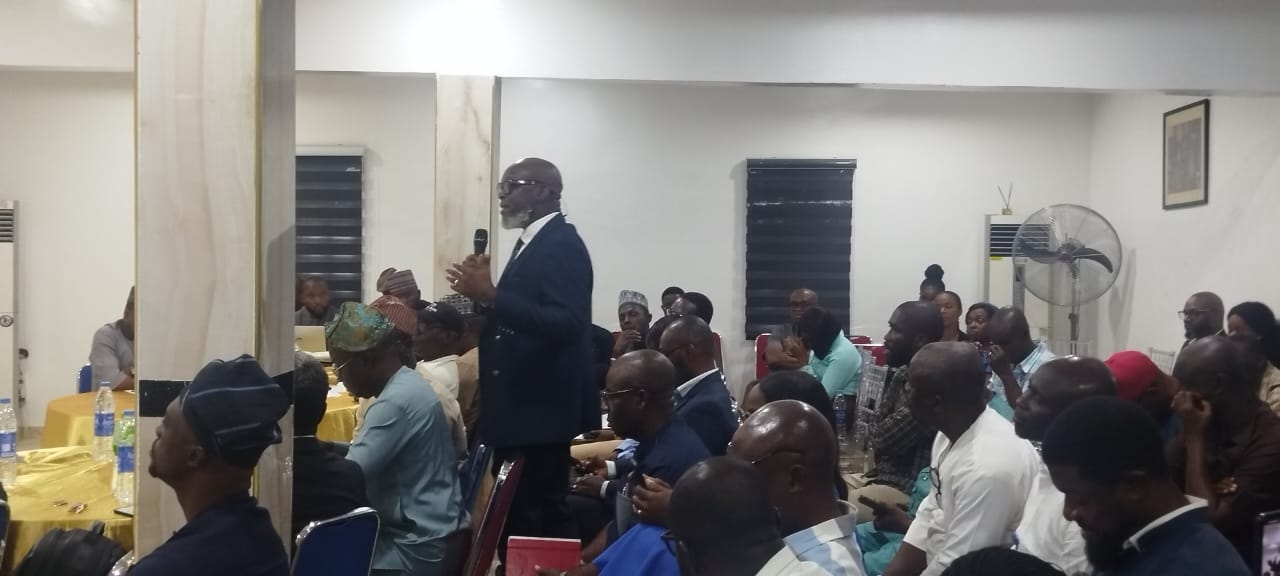
The call was made at a one-day workshop organised by the Nigerian Electricity Regulatory Commission (NERC) on “South-East Regional Sensitisation Workshop on Curbing Vandalism of Power Infrastructure in the Nigerian Electricity Supply Industry,” held recently in Umuahia, Abia State.
Presenting papers on “Electricity Infrastructure Protection: From Legal Framework to Effective Enforcement,” the Chairman/Chief Executive Officer of the Abia State Electricity Regulatory Authority (ASERA), Emeka Onyegbule, and the Executive Director, Legal and Regulatory, Igwuo Ukwu, stated that the Abia State Electricity Law, 2025, provides a robust legal framework for combating electricity theft, vandalism and other related offences. They noted that reliable electricity depends on secure infrastructure, stressing that acts of vandalism and electricity theft result in interrupted power supply, reduced investor confidence and slower economic growth. They emphasised that protecting electricity infrastructure is, therefore, an economic, security and development priority.
They explained that Section 112 of the law confers criminal jurisdiction on the High Court of Abia State over electricity-related offences, while Section 6(1)(n) empowers the state government to facilitate the establishment of Special Electricity Courts to ensure the speedy prosecution of electricity theft, energy theft, vandalism and other unlawful acts.
The presenters stressed that while the law provides the necessary legal backing, effective enforcement requires stronger institutions, coordinated security operations, technology-driven surveillance, community participation and the swift prosecution of offenders. They also advocated regulating the scrap metal market, deploying modern surveillance systems, strengthening intelligence sharing among regulators and security agencies, and intensifying public awareness of the economic consequences of electricity theft.
Representing the Abia State Commissioner for Power and Public Utilities, the Special Adviser to Governor Alex Otti on Energy, Engr. Kachy Etolue, described the workshop as timely and important. He called for closer collaboration between the Federal and State Governments and emphasised the need for host communities to take ownership of critical electricity infrastructure. He also urged project developers to identify and engage key stakeholders from the planning and construction stages to promote inclusiveness and reduce conflicts.
The Permanent Secretary, Ministry of Power and Public Utilities, Mrs. Nwanyieze O. Otum, commended NERC and the Deutsche Gesellschaft für Internationale Zusammenarbeit (GIZ) for organising the workshop in Abia State. She urged participants, particularly traditional rulers, to apply the knowledge gained and champion community ownership as a vital strategy for protecting electricity assets.
Speaking during the interactive session, traditional rulers, including HRM Eze Sir Rex Ohaeri, HRM Eze Prof. C. A. Ucheaga, HRM Eze Iheanyichukwu Ezeigbo and others, called for greater involvement of traditional institutions in securing public infrastructure. They advocated the provision of a security support fund for communities, the establishment of dedicated institutions to ensure the prosecution of arrested vandals, and the mobilisation of local communities to protect electricity installations.
Other stakeholders, including the General Manager, Transmission, Enugu Region, Dr. Thomas Inugonum, and Engr. Anaele Omeje of the Enugu State Electricity Regulatory Commission, identified insecurity, weak prosecution of offenders and inadequate community engagement as major drivers of vandalism. They recommended deploying armed security personnel to support surveillance teams, adopting smart technologies such as motion sensors, GPS-enabled cameras and real-time monitoring systems, establishing anti-vandalism task forces, and improving rural electrification to encourage communities to protect electricity facilities.
Participants agreed that protecting electricity infrastructure is a shared responsibility requiring effective legislation, strong enforcement, technological innovation, community ownership and sustained collaboration among governments, regulators, security agencies, traditional institutions and electricity consumers.
They expressed optimism that implementing the recommendations would significantly reduce vandalism, strengthen investor confidence, and improve the reliability and sustainability of electricity supply across the country.


 Presenting papers on “Electricity Infrastructure Protection: From Legal Framework to Effective Enforcement,” the Chairman/Chief Executive Officer of the Abia State Electricity Regulatory Authority (ASERA), Emeka Onyegbule, and the Executive Director, Legal and Regulatory, Igwuo Ukwu, stated that the Abia State Electricity Law, 2025, provides a robust legal framework for combating electricity theft, vandalism and other related offences. They noted that reliable electricity depends on secure infrastructure, stressing that acts of vandalism and electricity theft result in interrupted power supply, reduced investor confidence and slower economic growth. They emphasised that protecting electricity infrastructure is, therefore, an economic, security and development priority.


