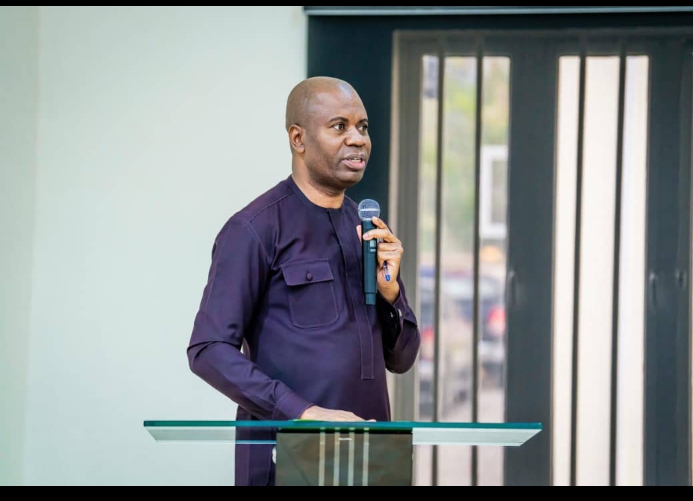
The Head of Service, Mr. Benson Ojeikere, has introduced a Monthly Staff Engagement and Interaction Framework aimed at improving communication, teamwork, and collaboration within the state Civil Service.
Speaking during an interactive session with staff of the Office of the Head of Service, Ojeikere said the new initiative would create a regular platform for civil servants to interact with management, share ideas, raise concerns, and contribute to ongoing reforms in the Service.
He explained that effective leadership depends on open communication and active participation from workers at all levels. According to him, every civil servant has an important role to play in the development of the Service and should be given the opportunity to make meaningful contributions.
Ojeikere noted that the monthly engagement framework was developed after studying successful practices in leading civil services around the world. He said the sessions would encourage continuous dialogue, feedback, and knowledge sharing among workers while supporting the government’s goal of building a modern and world-class Civil Service based on professionalism, competence, and excellence.
Highlighting the focus for the month of June, the Head of Service urged civil servants to maintain a positive attitude despite the challenges that often come with change and increased responsibilities. He stressed the importance of improving the public image of the Civil Service, noting that public servants perform critical duties that directly affect the lives of citizens and should therefore be respected members of society.
The Head of Service also used the occasion to update staff on several reform programmes currently being implemented to improve efficiency, transparency, and accountability across government offices. These reforms include the Weekly Work Plan and Self-Assessment System, Daily Task Reports, Better Service Initiative, Attendance Management Application, 24-Hour Turnaround Time Policy, Time Stamp Policy, and the Document Tracking System.
According to him, these initiatives are designed to improve service delivery in Ministries, Departments, and Agencies (MDAs), ensure better monitoring of official duties, and promote a culture of productivity and responsibility among public servants.
Ojeikere further reaffirmed the administration’s commitment to the welfare of workers. He said several measures have already been introduced to improve staff motivation and well-being, including the regular payment of salaries, payment of leave allowances from 2022 to 2025, implementation of outstanding promotions, improved working conditions, provision of free staff buses, maternity and paternity leave benefits, and prompt payment of pensions.
He also revealed that plans are underway to lift the embargo on study leave, a move that will give workers more opportunities for professional development and career advancement.
In addition, the Head of Service announced that a Staff Recognition and Award Programme would soon be launched to reward hardworking and outstanding civil servants. He said the programme would encourage excellence and inspire workers to give their best in the discharge of their duties.
Ojeikere called on all public servants to support the ongoing transformation of the Civil Service through dedication, professionalism, integrity, and commitment to duty. He emphasized that the success of the reform agenda depends on the collective efforts of every officer and expressed confidence that the Civil Service would continue to achieve greater progress through teamwork and shared responsibility.