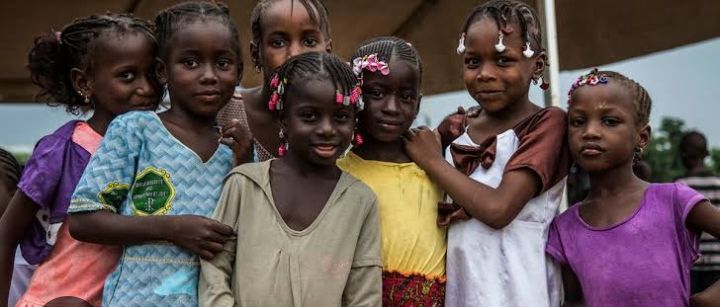
Stakeholders in education, healthcare, child protection and community development have called for stronger protection of the girl child, improved access to quality education and increased opportunities for girls to thrive, as the world marked the International Day of the Girl Child on Sunday, October 11.
The stakeholders stressed the need for concerted efforts by government, parents, schools, religious institutions and communities to tackle gender-based violence, early marriage, teenage pregnancy and other challenges hindering the development of girls.
The annual observance provides an opportunity to draw attention to the rights of girls and promote actions that will enable them to grow in a safe environment, access education and realise their full potential without discrimination or exploitation.
Speaking on the importance of girls’ education, an educationist, Benjamin Johnson, described education as a powerful tool for reducing poverty, promoting gender equality and driving national development.
Johnson identified financial difficulties, early marriage, teenage pregnancy and harmful cultural beliefs as some of the major barriers preventing girls from completing their education.
He urged parents to give their daughters equal educational opportunities as their sons, noting that educating girls benefits not only individual families but also society at large.
On child protection, a Child-Protection Advocate, Regina Wobo, called for stronger measures to combat sexual abuse, child trafficking, forced marriage and other forms of violence against girls.
Wobo urged parents and guardians to create a trusting and supportive home environment where girls could freely report abuse, threats or inappropriate behaviour without fear of intimidation or blame.
She also called on relevant authorities to strengthen child-protection mechanisms and ensure that perpetrators of abuse are brought to justice.
Addressing concerns about teenage pregnancy and reproductive health, a medical professional, Kenneth David, emphasised the importance of age-appropriate health education, parental guidance and access to healthcare services.
David advised parents to educate their daughters about puberty, menstrual hygiene, personal safety and healthy boundaries, explaining that accurate information would help girls make informed decisions and protect their wellbeing.
A guidance counsellor Dr. I. Echendu who is a lecturers at the University of Port Harcourt also highlighted the importance of emotional and psychological support in building girls’ confidence and self-esteem.
The counsellor urged parents to maintain open communication with their daughters, avoid unhealthy comparisons and provide encouragement as they discover their talents and pursue their ambitions.
The counsellor further stressed that girls should not be subjected to discrimination or excessive pressure but should instead be supported to develop their abilities and make positive contributions to society.
Meanwhile, the Zonal Pastor of the Redeemed Christian Church of God called for greater attention to the dangers girls face in the digital space, including cyberbullying, online sexual harassment, grooming and the unauthorised sharing of private images.
The cleric urged parents and teachers to educate girls on digital safety and encourage them to report online threats without fear of punishment or embarrassment.
He also called on government to strengthen the implementation of child-protection laws, improve access to quality education and healthcare, and provide assistance to vulnerable girls, particularly those from low-income families.
Beyond protection and education, a female entrepreneur, Emilia Amadi, encouraged girls to develop their skills, build confidence and explore opportunities in science, technology, business, leadership and other fields traditionally dominated by men.
Amadi highlighted the importance of mentorship in helping girls overcome societal limitations, identify opportunities and prepare for leadership roles in the future.
She maintained that the responsibility for protecting and empowering the girl child should not rest solely on government, urging traditional rulers, religious leaders, civil society organisations, parents and community members to work together to eliminate harmful practices and promote the rights of girls.
The stakeholders agreed that every girl deserves to be treated with dignity, protected from abuse and given equal opportunities to learn, develop her talents and contribute meaningfully to society.
They stressed that investing in the girl child through education, healthcare, protection and empowerment remains essential to building a safer, fairer and more prosperous society.