Women leaders and advocates for gender equality have renewed calls for increased representation of women in governance, insisting that meaningful democratic development cannot be achieved without their full participation in political leadership and decision-making processes.
They noted that despite playing critical roles in Nigeria’s democratic journey as voters, campaigners, mobilisers, party officials, and community leaders, women remain significantly underrepresented in elective and appointive positions across the country.
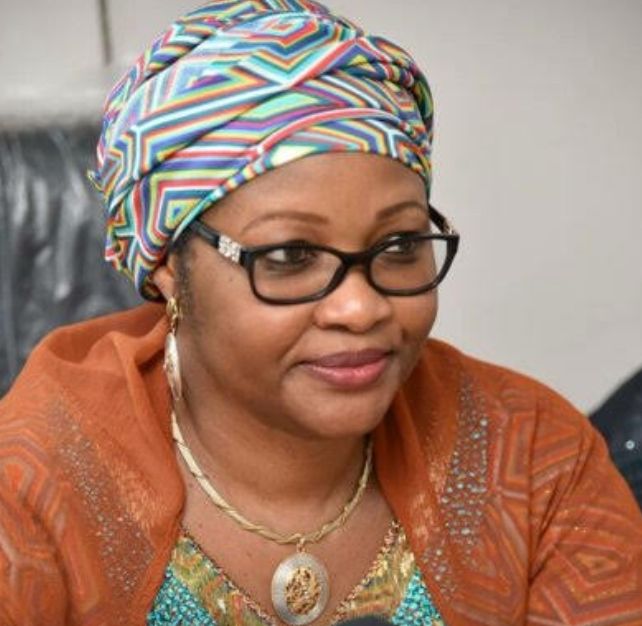
Speaking in an interview with reporters, the South-South Woman Leader of the Labour Party, Stephanie Ekpebolo, said Nigerian women have consistently demonstrated leadership capacity and competence, stressing that they deserve equal opportunities to contribute to governance at all levels.
Ekpebolo cited the emergence of Nenadi Esther Usman as National Chairman of the Labour Party as evidence that women can effectively occupy top leadership positions when given the opportunity.
According to her, the development should inspire more women to actively pursue leadership roles in politics and governance.
She said women continue to play indispensable roles in sustaining democracy through voter mobilisation, campaign activities, grassroots organisation, and civil society engagement, yet they still face challenges in accessing the same opportunities available to their male counterparts.
“Women have remained active contributors to Nigeria’s democratic process, but equal access to political opportunities is still lacking. The emergence of a woman as National Chairman of the Labour Party demonstrates that women are capable of leading effectively when leadership is based on merit,” she stated.
Ekpebolo observed that although women’s participation in politics has improved over the years, representation in elective offices remains unacceptably low.
She expressed concern that women currently occupy less than four percent of seats in the National Assembly, describing the situation as inconsistent with the principles of fairness, equity, and inclusiveness expected in a democratic society.
According to her, the challenge is not a lack of competence among women but the existence of structural barriers such as the high cost of political campaigns, inadequate access to funding, insecurity, and socio-cultural norms that discourage women from seeking elective offices.
She noted that while women are increasingly contesting positions beyond traditional gender-focused roles, much more needs to be done to create a level playing field.
Ekpebolo advocated the passage of Equal Opportunity Bills and the full implementation of the 35 percent affirmative action provision contained in the National Gender Policy, arguing that such measures would significantly improve women’s participation in governance.
She also called on political parties, government institutions, and civil society organisations to adopt policies that promote inclusiveness and eliminate discrimination against women in politics.
The Labour Party chieftain maintained that expanding women’s participation in governance would strengthen democratic institutions, improve policy formulation, and accelerate national development.
She urged stakeholders across the political spectrum to support reforms that would empower more women to contest elections and contribute meaningfully to Nigeria’s growth and democratic advancement.