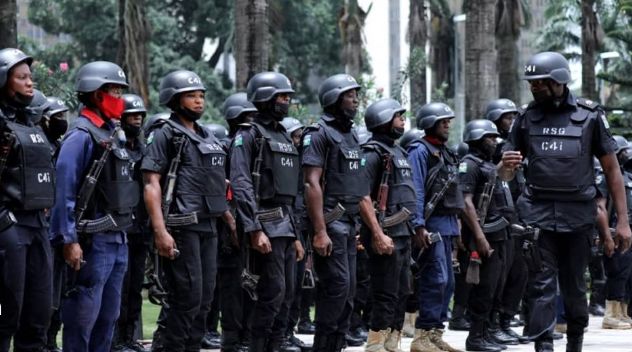
The renewed push for the establishment of state police in Nigeria has generated mixed reactions among security experts and citizens as the nation grapples with growing security threats across several regions.
The proposal, currently attracting attention in discussions on constitutional reforms, is seen by proponents as a potential solution to rising incidents of kidnapping, banditry, terrorism, armed robbery and communal conflicts. Advocates argue that decentralising policing would enhance intelligence gathering, improve response times, and strengthen community-based security operations.
However, critics have cautioned that the initiative may introduce fresh challenges relating to funding, operational efficiency and political interference.
A security analyst, Jackson Ojo, expressed reservations over the proposed policing structure, insisting that Nigeria must first address existing institutional weaknesses within the security architecture before embarking on the creation of state-controlled police formations.
Speaking with reporters, Ojo questioned how state police officers would be recruited, trained, equipped and supervised, noting that these concerns remain largely unresolved.
While acknowledging the growing calls for community policing, he warned that the initiative could become ineffective if not properly structured.
According to him, many states already face financial difficulties, including challenges in meeting salary obligations, raising concerns about their ability to fund police operations, training programmes, welfare packages, logistics and modern security equipment.
Ojo argued that the Federal Government should instead focus on strengthening the Nigeria Police Force through improved funding, enhanced welfare, technological advancement, intelligence-driven operations and continuous professional training.
He further noted that some regional security outfits operating across the country have yet to achieve optimal effectiveness due to operational constraints and coordination challenges with federal security agencies.
Also speaking on the issue, security expert Dr. Efe Wanogho acknowledged that state policing could offer certain benefits but maintained that immediate attention should be directed toward addressing ongoing security emergencies across the country.
He stressed the need for security agencies to prioritise the rescue of abducted victims and intensify efforts to curb violent attacks affecting various communities.
According to Wanogho, the establishment of state police is a long-term undertaking that requires extensive planning, constitutional amendments, sustainable funding mechanisms and clearly defined operational frameworks.
Meanwhile, residents of Port Harcourt expressed differing opinions on the proposal.
Supporters believe state police would enhance local security by leveraging officers’ familiarity with their communities to gather intelligence more effectively and respond swiftly to criminal activities. They also contend that decentralising policing would ease the burden on federal security agencies and increase security presence nationwide.
Opponents, however, fear that state-controlled police forces could be exploited by political office holders to harass opponents, suppress dissenting voices and influence electoral processes if adequate safeguards are not established.
Many residents therefore called for robust oversight structures, accountability measures, professional standards and constitutional protections to ensure that any state policing system serves the public interest and remains free from political manipulation.
As insecurity continues to pose serious challenges across Nigeria, the debate over state police is expected to remain at the forefront of national discourse, with stakeholders divided over whether decentralised policing offers a sustainable solution or presents additional risks to democratic governance and national stability.
By Nzeuzor Jane and Maduadugwo Jane, Port Harcourt