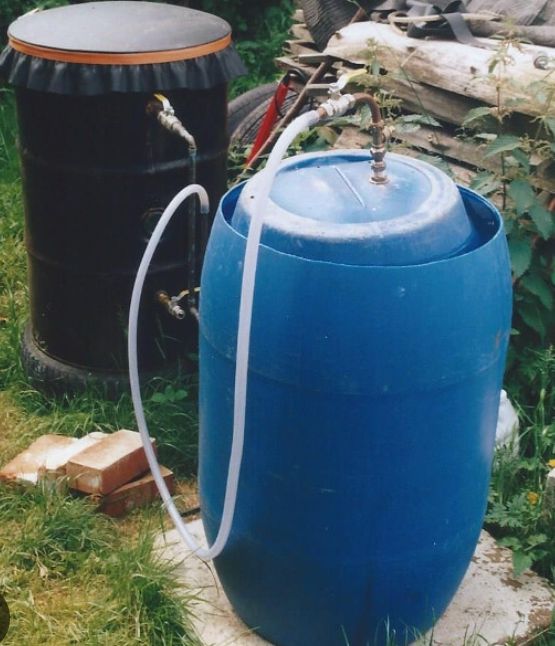
Human and animal faeces, often regarded as waste, can be converted into useful energy through a process known as anaerobic digestion, an environmental expert in Port Harcourt, Dr. David Okoro, has said.
In an interview with our reporters, Dr. Okoro explained that anaerobic digestion involves placing faecal matter and other organic waste in an airtight facility, where microorganisms break down the materials in the absence of oxygen.
According to him, the process produces biogas, which contains methane that can be captured and used to generate electricity, provide heat or serve as cooking fuel.
He said the technology could help address poor waste management while providing an alternative source of energy.
Dr. Okoro explained that the technology can be particularly useful in areas where access to reliable electricity and proper waste disposal facilities remains limited. He said properly managed biogas systems could turn waste that would otherwise pollute the environment into a useful resource for households, farms and communities.
Dr. Okoro noted that the organic matter in faeces is broken down by microorganisms to produce methane-rich biogas, which can then be used as fuel.
He, however, stressed that the process must be properly designed and managed to ensure safety, warning that faecal waste may contain disease-causing organisms and must therefore be carefully handled and adequately treated.
The environmental expert said converting faeces into energy could reduce the amount of waste discharged into the environment, improve sanitation, minimise unpleasant odours and provide an alternative source of energy.
He called on governments, communities and relevant organisations to support research and investment in waste-to-energy technologies.
He also advised that faecal waste should not be handled without appropriate facilities, trained personnel and adequate safety measures.
He added that, with proper treatment and monitoring, the remaining material after digestion can also be managed safely and, in some systems, used as a soil amendment. He stressed that such processes should meet relevant environmental and public health standards to prevent contamination.
He stressed that the development highlights the potential of transforming waste materials into valuable resources while promoting cleaner energy, improved sanitation and better environmental management.