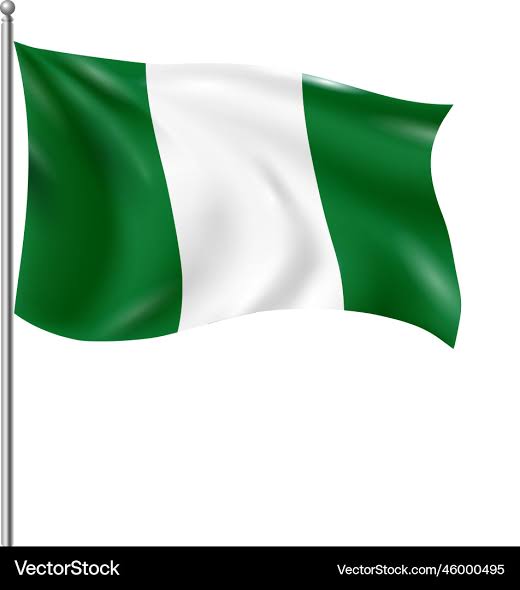
Nigeria is a country blessed with many natural and human resources. We have enough resources, and if they were properly used and managed, Nigerians would not need to travel abroad in search of better opportunities.
Nigeria has everything it needs to stand on its own, especially considering its large mineral deposits.
Today, Nigerians are suffering from a high increase in fuel prices. This has affected transportation, and in turn, has made life harder for everyone. Both people and goods depend on transport, and transportation is very important to the economy.
Honestly, Nigerians should not be struggling with fuel scarcity or high fuel prices because our country has oil in abundance.
Oil was first discovered in Nigeria in 1956 at Oloibiri, in present-day Bayelsa State, and was first exported on February 17, 1958. Sadly, despite this, Nigeria still cannot provide enough food, jobs, security, or good infrastructure for its people.
Even with all these blessings, many Nigerians live in poverty and are neglected by their leaders. This has led to protests and demands for development, justice, and fairness, some of which have turned violent.
Some people believe Nigeria’s problems are caused by bad leadership. In 2008, Maitama Sule, Nigeria’s first Minister of Petroleum and former Ambassador to the United Nations, blamed the country’s leaders for wasting its oil wealth.
Why has over 50 years of oil export not made Nigeria an industrial power?
Why has Nigeria’s oil wealth not reduced poverty?
Why does Nigeria, one of the largest oil producers, have non-functioning refineries?
Why are oil-producing communities still lacking good roads, schools, hospitals, and jobs?
The simple answer is poor leadership at all levels of government.
Because of bad leadership, people now question whether oil is a blessing or a curse for Nigeria.
Nigeria lacks leaders who are visionary, selfless, and committed to the good of the people. There is also a lack of compassion, integrity, and a true desire to serve.
In the past, especially before and shortly after independence, Nigeria had more dedicated and focused leaders.
With the amount of oil Nigeria has, the country should have become an economic power within 15 years of its first oil export. Sadly, this did not happen because of poor leadership. Unlike other oil-producing countries, Nigeria has failed to use its oil wealth to grow its economy.
Many people believe that the vision of Nigeria’s founding fathers has been lost. They argue that many leaders today are driven by greed, corruption, and selfishness.
What Nigeria has are rulers, not true leaders. The country needs leaders who think about the nation first, not themselves leaders who want to serve, not to be served.
Because of the lack of responsible and responsive leadership, Nigeria has missed out on the economic growth seen in other oil-producing nations.
It is unfortunate that a country like Nigeria still struggles with government-owned refineries not working. This situation has allowed private companies, like Dangote Refinery, to dominate the market and influence fuel prices.
Today, Nigeria is in a difficult situation. Citizens are suffering from high fuel prices, while some businesses continue to make large profits, partly due to poor leadership.
The government must take urgent action to fix the refineries and address major issues such as hunger, economic recovery, security, and overall national development.