Stakeholders have called for a more proactive role for the media in Nigeria’s anti-corruption efforts under the National Anti-Corruption Strategy (2022–2026).
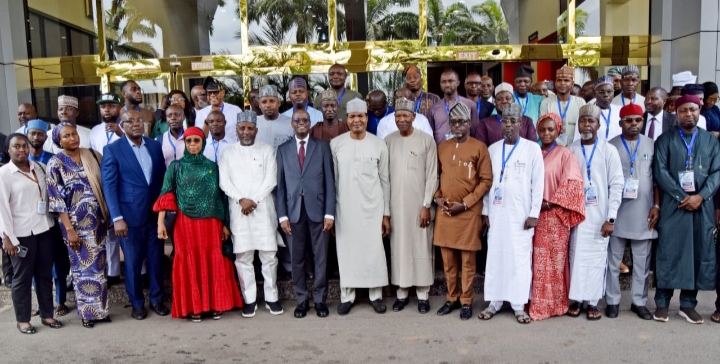
The call was made in a communiqué issued at the end of a one-day workshop on corruption prevention attended by anti-corruption agencies, civil society organisations, and leaders of the Nigerian Union of Journalists (NUJ).
The communiqué was signed by the Chairman of the Independent Corrupt Practices and Other Related Offences Commission (ICPC), Dr. Adams Aliyu, and the President of the NUJ, Alhassan Yahaya Abdullahi.
Participants at the workshop reviewed progress made under the strategy and outlined a roadmap for strengthening the role of the media as the Fourth Estate of the Realm.
They stressed that corruption cannot be effectively tackled through arrests and prosecutions alone, noting that institutional reforms, ethical conduct, transparency, and sustained public engagement are essential to preventing corrupt practices.
The stakeholders identified several challenges undermining anti-corruption efforts, including weak coordination among agencies, low public awareness, political interference, and delays within the judicial process.
According to the communiqué, the media remains underutilised in the prevention of corruption, with more attention often placed on reporting arrests rather than exposing systemic failures and governance gaps.
Participants also highlighted the untapped potential of digital tools and artificial intelligence in strengthening investigative journalism and promoting accountability.
They called for improved protection for whistleblowers and journalists, as well as stronger collaboration among government agencies, civil society organisations, and the media.
Among the recommendations was the establishment of dedicated media desks within anti-corruption agencies to enhance information sharing and engagement with journalists.
The workshop also emphasised the need for continuous capacity building for journalists and encouraged a shift toward preventive and solution-driven reporting on corruption.
In addition, participants urged the passage of stronger whistleblower protection laws and proposed the creation of a joint monitoring committee to periodically assess progress in implementing the anti-corruption strategy.
They maintained that the success of the National Anti-Corruption Strategy depends largely on a fearless, professional, and responsible media.
The stakeholders also commended the ICPC for its commitment to corruption prevention and called on the Federal Government to provide adequate funding to support the effective implementation of anti-corruption initiatives.