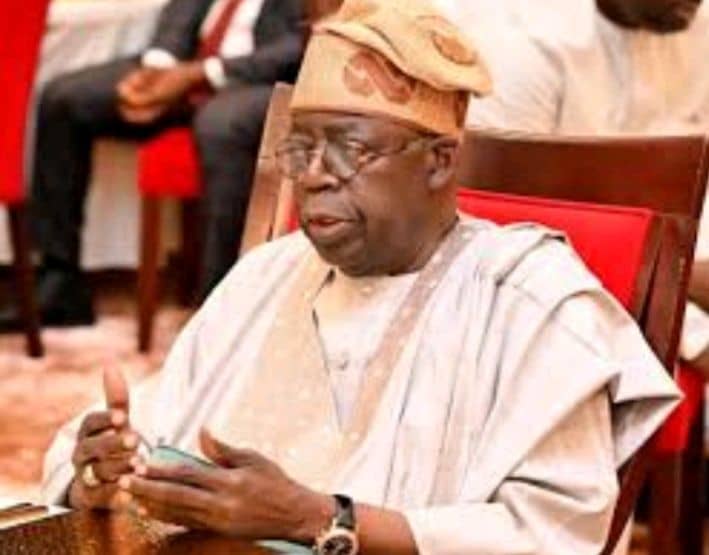
Reactions are still coming in after President Bola Ahmed Tinubu said Nigeria’s economy is coming out of what he called a “dark tunnel.” His statement was meant to give people hope as the government carries out economic reforms, but it has also started a wide debate among experts and citizens.
While the President’s words suggest things may be improving, many Nigerians say daily life tells a different story. The high cost of living and ongoing financial struggles make people question when, or if, things will truly get better.
Speaking on the issue, Professor Alwel Ntegah of the University of Port Harcourt said the President may not be completely wrong. He explained that economic recovery usually takes time and may not be quickly seen in people’s everyday lives. He added that even though things are still tough, steps toward long-term improvement may already be in place.
In an interview, Ntegah said changes in a country like Nigeria do not produce quick results, especially when big structural reforms are involved.
“The government has given us hope because leadership provides direction,” he said. “Economic recovery is a process; it does not happen overnight. Some policies are already in place, and we expect them to gradually move the country forward.
“The main issue is how well these policies are carried out. If they are properly implemented, we will see better results. It may take time, but with consistency, the President’s statement could become reality.”
However, not everyone agrees. Development expert Enogo Cletus said the current situation does not match the President’s claims. According to him, there is a clear gap between what the government says and what people are experiencing.
He pointed to rising fuel prices, higher costs of goods and services, and reduced purchasing power as signs that many Nigerians are still struggling.
“Go to any market or petrol station,” he said. “Compare prices from a few weeks ago to now and see how it affects transport, business, and daily living. Then think about what it means for the average Nigerian.
“When you look closely, you will see a clear difference between official statements and reality.”
He added that true economic recovery should be judged by its effect on food prices, transport costs, jobs, and general living conditions.
As the debate continues, many Nigerians are stuck between hope and hardship hope that reforms will bring change, and hardship caused by current economic pressure. Experts say closing the gap between government promises and people’s real experiences will be key to building trust and confidence in the economy.