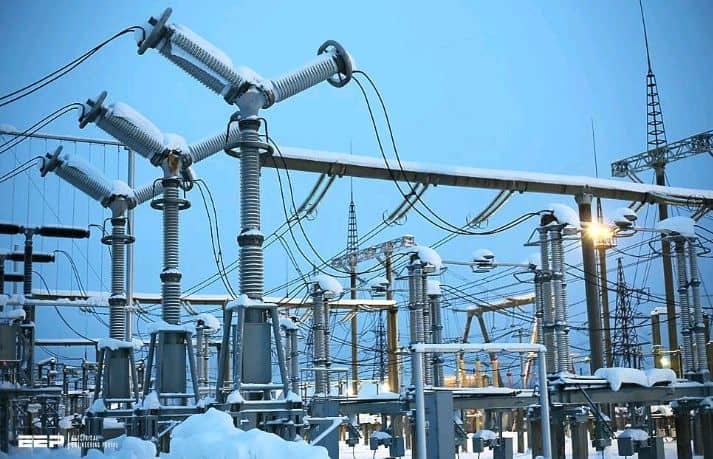
As Nigeria continues to grapple with persistent electricity challenges, residents of Port Harcourt, Rivers State, remain among the hardest hit by the country’s unstable power supply. Despite being located in the oil-rich South-South region an area expected to enjoy strategic energy advantages the city continues to experience frequent outages that disrupt businesses, households, and economic activities. This has raised fresh concerns about the efficiency of the power sector and the underlying causes of the inconsistency.
Speaking on the situation, the South-South and South-East Deputy General Secretary of the Senior Staff Association of Electricity and Allied Companies (SSAEAC), Dr. Innocent Lord-Douglas, identified inadequate gas supply to power plants as a major factor behind the ongoing electricity crisis. He made this known in an interview with our correspondent while reacting to the persistent outages in parts of Port Harcourt.
According to Dr. Lord-Douglas, information released by the Transmission Company of Nigeria (TCN) indicates that insufficient gas supply is significantly affecting the volume of electricity generated and transmitted through the national grid. He explained that the entire power generation process depends largely on the availability of gas, and any disruption in supply directly impacts electricity output.
“Most importantly, we do not have enough gas to run the power stations,” he said. “As a result, generation remains low, and the amount transmitted is also limited. Consequently, distribution companies receive minimal electricity to supply to consumers. When gas supply is inadequate, generation suffers—and once generation drops, transmission and distribution are equally affected.”
He further emphasized that the problem is systemic, noting that inadequate gas supply creates a chain reaction that weakens the entire electricity value chain—from generation to distribution. This, he said, explains the persistent outages and unreliable power supply currently affecting residents and businesses in the city.
Dr. Lord-Douglas also commented on the reported move by the presidency to reduce reliance on the national grid for electricity supply. He noted that such a decision could bring significant benefits if properly implemented, particularly in urban centres like Port Harcourt.
“In many developed countries, the national grid primarily serves as a backup, while states or regions generate a substantial portion of their own power,” he explained. “If there is a fault at the state level, the national grid can then provide support. Therefore, if the presidency is considering alternatives such as solar energy, it is a welcome development. Any electricity generated outside the grid will ease pressure on it, making more power available for those who depend solely on the national grid.”
He described the initiative as a positive step toward improving energy access, especially in major cities, while also encouraging investment in renewable energy. However, he cautioned that such policies must be supported by proper planning, adequate funding, and consistent implementation to achieve meaningful results.
The continued power challenges in Port Harcourt, despite its proximity to major gas resources, highlight deeper structural issues within Nigeria’s power sector. Stakeholders are therefore calling for urgent intervention, particularly in improving gas supply to power plants, strengthening infrastructure, and diversifying energy sources to ensure a more stable and reliable electricity supply.