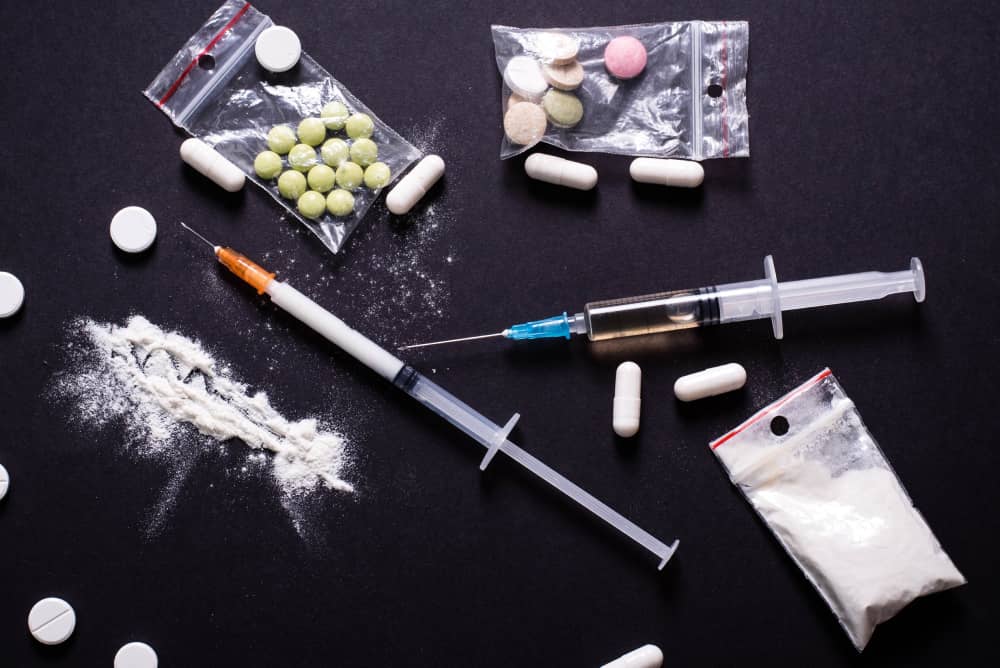
DrugHealth professionals in Rivers State have raised the alarm over the increasing abuse of hard drugs among young people, warning that the trend poses a serious threat to public health, national security, and the future of the country.
In separate interviews with our reporters, medical and mental health experts outlined the dangers of hard drug use, available treatment options, and the critical role parents, communities, and government must play in addressing the growing crisis.
Dr. Nike Bello, a consultant physician at Kendox Medical Services, Port Harcourt, described hard drugs such as cocaine, heroin, methamphetamine, tramadol, and codeine as “silent killers,” noting that they cause severe damage to vital organs including the brain, heart, liver, and kidneys.
“Many youths believe drugs give them strength or confidence, but medically, they impair memory, trigger mental illness, and can cause sudden death,” she said.
According to Dr. Bello, prolonged drug abuse can lead to depression, psychosis, stroke, infertility, and irreversible brain damage. She stressed that addiction should be viewed as a medical condition rather than a moral failure.
“Anyone struggling with addiction should seek professional help immediately. Detoxification, counseling, and rehabilitation are effective when started early the earlier the intervention, the better the outcome,” she explained.
She also urged parents to watch for warning signs such as sudden mood changes, withdrawal from family activities, declining academic performance, and unexplained spending.
“Parents must talk openly with their children about drugs. Silence creates curiosity, and curiosity often leads to experimentation,” she warned.
From a psychological perspective, clinical psychologist Mr. Samuel Okorie described drug abuse as a mental and emotional trap. He explained that many youths turn to hard drugs due to peer pressure, stress, unemployment, family challenges, or low self-esteem.
“Drugs promise escape but deliver bondage. Addiction affects judgment, emotions, and behavior. Over time, users lose control of their lives and relationships,” he said.
Mr. Okorie added that drug abuse is closely linked to crime, violence, suicide, and academic failure. He emphasized that recovery requires counseling, behavioral therapy, support groups, and active family involvement.
“Addiction cannot be treated with punishment alone; it requires understanding, structure, and support,” he noted.
He further advised parents to build strong emotional bonds with their children.
“When children feel heard at home, they are less likely to seek comfort in drugs. Parents should be approachable, not just authoritative,” he said.
Also speaking, Mrs. Grace Adeniyi, a public health educator, described youth drug abuse as a national emergency and emphasized that prevention is more effective and less costly than rehabilitation.
“We are losing a generation because of poor awareness. Many youths don’t even know what they are taking or the long-term effects,” she warned.
She highlighted the role of schools, religious institutions, and community leaders in prevention efforts and recommended community-based rehabilitation and peer support programs.
“Recovered addicts should be encouraged to share their stories. Real-life experiences can discourage others and inspire recovery,” she said.
Mrs. Adeniyi also advised parents to monitor their children’s friends, online activities, and environment, stressing the importance of leading by example.
“A drug-free home sends a strong message,” she noted.
She concluded by stating that youth drug abuse is both preventable and treatable, calling on the government, parents, schools, religious bodies, and the media to intensify awareness campaigns and support rehabilitation initiatives.
“Our youths are our future. Saving them from drugs is saving the nation,” she said.