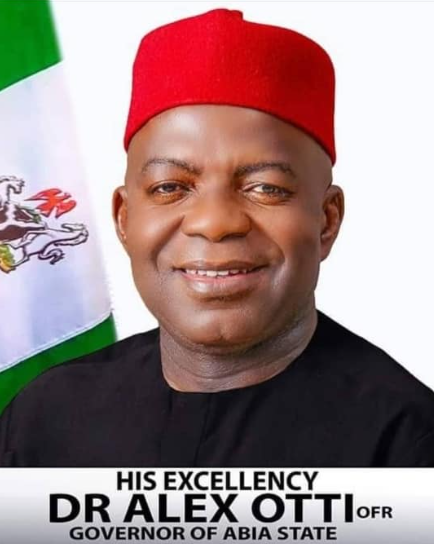
As the echoes of Christmas carols fade and the New Year settles in, one truth stands tall across Abia State: this festive season felt different. For many Abians, it was the first time in years that the holidays passed without the familiar anxieties of impassable roads, endless gridlock, avoidable accidents, and heightened insecurity. Under the leadership of Governor Alex Chioma Otti, Abia has begun a new chapter, one defined by stability, foresight, and renewed public confidence.
Where previous festive seasons were dominated by chaos, the just-concluded holidays unfolded with remarkable calm. This did not happen by chance. It was the result of deliberate governance, strategic planning, and people-centered policies that now define the New Abia agenda.
At the heart of this transformation lies infrastructure, the backbone of any thriving society. Over the past months, the Otti administration has undertaken sweeping road construction and rehabilitation across the state, drastically improving mobility in both urban and rural communities. From the historic reconstruction of the Umuahia–Uzuakoli–Abiriba–Ohafia Road, to targeted upgrades along the Arochukwu–Ndi Okereke–Ozu Abam axis, and the rehabilitation of the iconic Omenuko Bridge, journeys that once took hours of frustration now pass with relative ease. These projects are not merely stretches of asphalt; they are economic lifelines, reconnecting farmers to markets, traders to customers, students to schools, and families to one another.
In Aba, the reconstruction of the long-troubled Port Harcourt Road once synonymous with traffic nightmares, stalled vehicles, and commuter frustration proved especially significant during the festivities. For the first time in years, travelers moved seamlessly through the commercial nerve center of Abia, easing congestion, reducing travel time, and restoring sanity to a corridor that had defined holiday gridlock in the past.
Unsurprisingly, this festive period recorded fewer road accidents and reduced congestion, underscoring the combined impact of improved road networks and strengthened safety measures. More importantly, these visible improvements restored pride in Abia’s physical environment. A state once notorious for dilapidated roads is steadily emerging as a model of connectivity and urban renewal in the South-East.
This renewed ease of movement, combined with peace and security, turned Abia into a festive destination. Thousands of Abians in the diaspora, alongside visitors from neighbouring states, returned home with confidence. Hotels were booked out, event centres thrived, transport operators recorded increased patronage, and local markets witnessed heightened commercial activity.
Complementing these efforts was the deployment of free buses including electric buses within Aba and Umuahia, as well as inter-state buses conveying Abians from Lagos, Abuja, Ibadan, and other cities back home for the festivities. This coordinated transportation support eased travel costs, reduced pressure on private vehicles, enhanced environmental sustainability, and reinforced the administration’s people-first approach. By prioritizing safe, affordable, and accessible mobility during peak travel periods, the government not only strengthened family bonds but also ensured that the spirit of togetherness that defines the festive season was felt across the state.
Beyond road infrastructure, Governor Otti’s interventions extended into the daily rhythms of life. Through the Light Up Abia Initiative, residential and commercial districts experienced improved street lighting and power availability. Markets stayed open longer, nightlife returned with renewed vibrancy, and communities felt safer after dusk. This revival sent a powerful signal, not just to residents, but to investors and visitors that Abia is once again open for business.
Adding to this renewed atmosphere were the festive decorations across Aba and Umuahia. Streets, public spaces, and major intersections were adorned with Christmas lights and ornaments of a standard many residents described as unprecedented. For the first time, the cities carried a visual elegance often associated with global urban centres, giving Abians a sense of pride and visitors the impression of a state deliberately curated for celebration and tourism.
Environmental order also played a critical role in this festive success. Through the consistent efforts of ASEPA, Abia cities and towns remained notably clean throughout the holidays. Clean streets, timely waste evacuation, and a visibly healthier environment enhanced the state’s appeal, boosted public health confidence, and reinforced Abia’s image as a civilized and welcoming destination. Cleanliness, often overlooked, proved once again that a well-managed environment attracts people, investment, and respect.
The festive calm also reopened Abia’s long-underutilized tourism potential. Improved road access encouraged visits to iconic sites such as the Arochukwu Long Juju and Waterfalls, the National War Museum in Umuahia, Azumini Blue River, and other cultural and historical landmarks that had previously been avoided due to poor accessibility. This renewed interest signals a future where tourism can serve as a sustainable revenue stream and employment generator for host communities.
Security, often the silent determinant of festive peace, was firmly addressed. With heightened deployments of Operation Crush and other security agencies, residents and visitors celebrated with confidence. The visible security presence restored social life, encouraged night-time economic activity, and ensured that Abia remained peaceful throughout the holidays.
As Abians return to work, school, and daily routines, a renewed optimism fills the air. This festive period was more than a celebration, it was proof that peace, planning, and people-first policies translate into real economic and social value. It marked not just the end of a year, but the sustained rise of a New Abia: one shaped by infrastructural renewal, environmental order, economic revival, cultural pride, and lasting peace under Governor Alex Otti’s leadership.